Biology
Life & ecosystems
Understanding organisms, biological processes, and how living systems connect. That is the foundation of marine science.
Following a fascination with the ocean that began at four years old.
I'm Beau Healey, a sixth-form student from Nottingham studying Biology, Maths and Geography, with a long-term ambition to study marine biology and build a career working with the ocean and the life within it.
Why marine biology?
Marine biology was never a phase or a last-minute career idea. It is a thread that runs through how I learn, what I read, and what I want to do next, documented here as it grows.
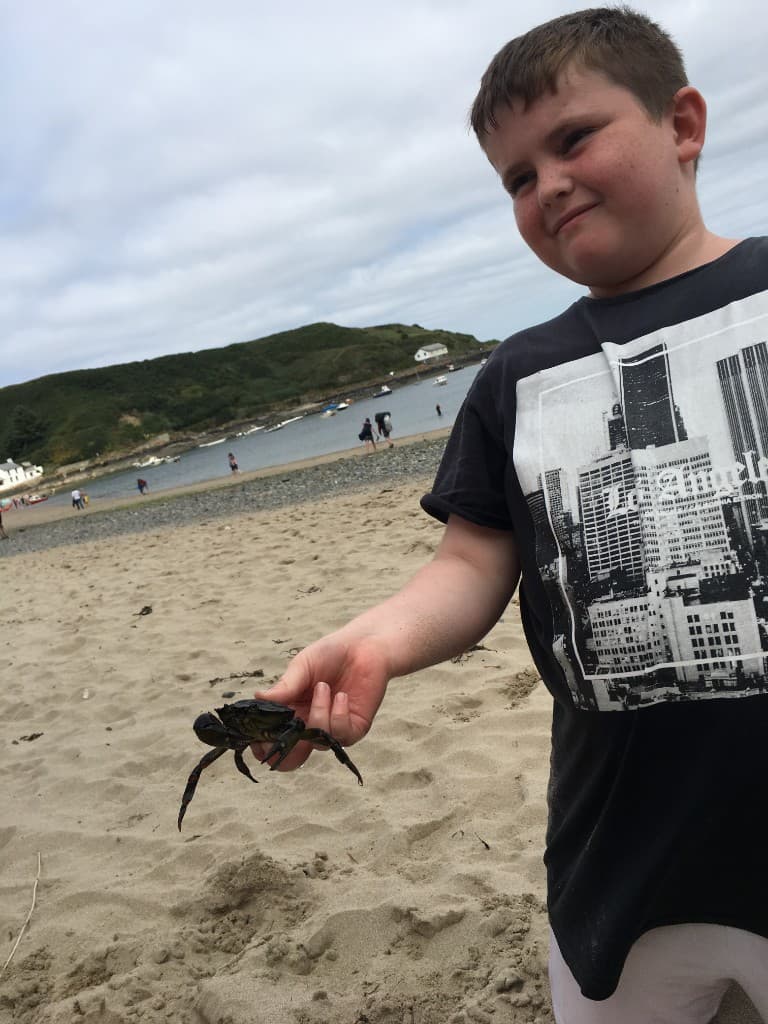
Age 4
A lasting curiosity about marine life and the ocean, the kind that sticks with you rather than fading away.
Growing up
Documentaries, aquarium visits, and books kept pulling me back to how life works beneath the surface.
GCSEs
Biology and Geography gave language to questions I had been asking for years: ecosystems, environments, and change.
Sixth form
Biology, Maths, and Geography: three lenses on the same question of how living systems and the planet interact.
Now
Reading widely, seeking experiences, and documenting what I learn rather than waiting until university.
Next
University, field experience, and a career working with marine ecosystems. Still unfolding, already intentional.
Current studies
A-level choices deliberately support marine science: life, data, and environment together.
Life & ecosystems
Understanding organisms, biological processes, and how living systems connect. That is the foundation of marine science.
Data & analysis
Statistics, modelling, and quantitative thinking: how research turns observation into evidence.
Environment & climate
Physical environments, climate systems, and human impact, and how oceans change and are changed.
marine biology
Exploration
Not a fixed specialism. A map of questions I want to explore over the next few years.
Protecting biodiversity and the habitats that marine species depend on.
Expedition log
A chronological record of reading, visits, experience, and projects, updated as the journey continues.
What I learned: How much there is still to learn, and how many questions worth asking.
Why it mattered: Keeps curiosity structured, not random.
Work experience
I'm keen to learn what marine biology looks like beyond the classroom and gain practical experience wherever possible, with support from my family to travel for meaningful placements when they arise.
Projects
Structured projects will live here: research questions, methods, findings, and what comes next.

Coming soon
A focused study on one marine species: behaviour, habitat, and conservation status.
What do we still not know about this species locally?

Coming soon
Exploring how species and physical conditions interact in a chosen marine environment.

Coming soon
Investigating how plastic reaches coastal systems and what that means for wildlife.

Coming soon
Reviewing conservation approaches: what works, what is debated, and why.

Coming soon
Field-led geographical investigation linking land, sea, and human activity.

Currently exploring
Independent questions I am exploring outside formal coursework, documented as they develop.
Field notes
Observations, species, places, and questions. Personal, curious, and updated over time.

Rock pools are small worlds. Who lives there, what changes with the tide, and how would you measure it properly?
Field teams spend years on one question. That patience is part of the job, not just the exciting dive footage.
Starting a running list: grey seals on the UK coast, kelp forest ecology, and how citizen science helps monitoring.
Space reserved for structured notes from trips, talks, and experiences as they happen.
Reading & learning
What I explore outside lessons, and what I want to dig into next.
Book
Documentary
Talk
Organisation
About
Beau Healey · Nottingham, UK · Sixth-form student
Studying Biology, Maths, Geography with a long-term aim to study marine biology and work in the marine sciences.
Asking how ecosystems work, not just memorising facts for an exam.
Reading, watching, visiting, and noting what I do not yet understand.
A focus that has stayed constant since childhood.
Wanting to understand marine systems well enough to help protect them.

I'm at the beginning of the journey, but I already know where I want to explore.
Contact
I'm always interested in hearing from people working in marine biology, conservation, research and related fields.